
Introduction
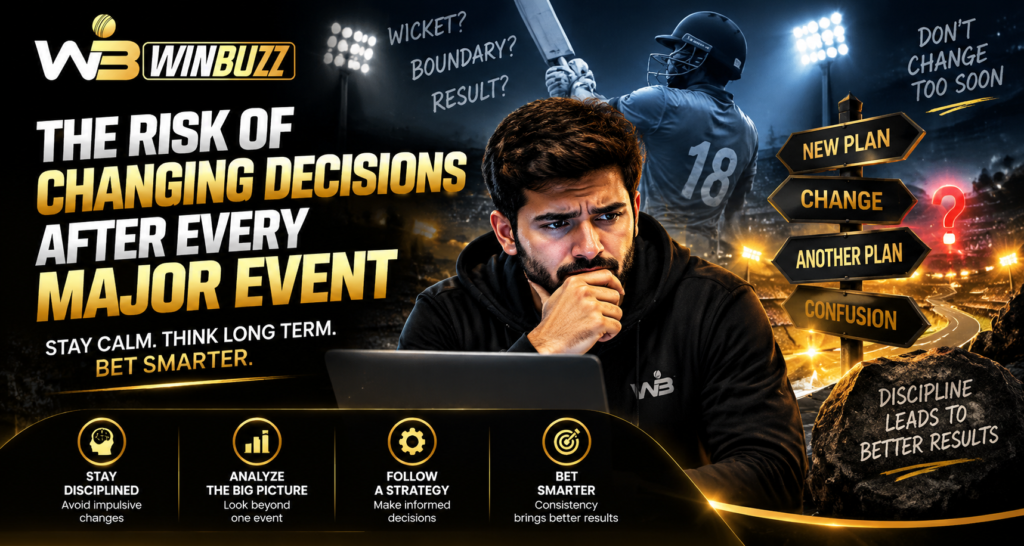
Major events often create strong reactions, especially in sports, business, and decision-making environments. A single result, unexpected performance, or surprising outcome can influence opinions quickly. However, changing decisions after every major event can lead to inconsistency and make long-term planning more difficult. For Winbuzz users following sports discussions, understanding the importance of patience and structured thinking can help create a more balanced approach.
Why People Change Decisions After Major Events
Human decisions are often influenced by recent experiences. When a major event happens, people may immediately react based on emotions rather than complete information.
Common reasons include:
- Excitement after a big success
- Disappointment after an unexpected result
- Pressure to make quick changes
- Influence from public opinions
- Overreaction to short-term outcomes
While adapting to new information is important, frequent changes without proper analysis can create unnecessary problems.
The Problem With Short-Term Reactions
A single event does not always represent the complete picture.
For example:
- One strong performance may not guarantee future success
- One poor result may not mean a strategy has failed
- Temporary conditions may influence outcomes
- External factors may affect performance
Making decisions only based on recent events can ignore important long-term factors.
1. Losing Consistency in Planning
Consistency is important for achieving long-term goals.
Constantly changing decisions can result in:
- Lack of clear direction
- Frequent strategy changes
- Difficulty measuring progress
- Reduced confidence in decisions
A stable approach allows people to evaluate results more effectively.
2. Emotional Decision-Making Risks
Major events often create emotional reactions.
Emotions such as:
- Excitement
- Frustration
- Fear
- Overconfidence
can influence choices and reduce objective thinking.
A better approach is to review facts, consider context, and avoid making immediate decisions based only on emotions.
3. Ignoring Long-Term Trends
Short-term events can sometimes distract people from larger patterns.
Important factors that should still be considered include:
- Previous performance
- Historical trends
- Team or individual consistency
- Changing conditions
- Long-term objectives
A wider perspective often provides better understanding.
4. Understanding the Difference Between Change and Overreaction
Changing decisions is not always wrong. Adjustments are necessary when new information genuinely changes the situation.
A useful decision process includes:
- Reviewing new information
- Comparing it with previous expectations
- Understanding the impact
- Making calculated adjustments
The problem occurs when every event leads to a complete change in direction.
5. Learning From Sports Decisions
Sports provide many examples of how reactions can influence opinions.
After a major match:
- Players may be criticised after one poor performance
- Teams may be praised after one victory
- Strategies may be questioned immediately
However, successful teams usually focus on long-term improvement rather than reacting to every result.
For fans following Winbuzz live sports updates, understanding this difference helps create a more informed view of performances and decisions.
Building a Better Decision-Making Process
A structured approach can help avoid unnecessary changes.
Helpful steps include:
- Define clear goals
- Review information carefully
- Consider multiple factors
- Avoid immediate reactions
- Track long-term progress
Good decisions usually come from analysis rather than impulse.
Importance of Patience and Discipline
Patience allows people to understand whether a change is truly needed.
Benefits of a disciplined approach include:
- Better evaluation
- More confidence
- Reduced emotional influence
- Improved consistency
Strong decision-making requires the ability to handle both success and failure.
Using Information Wisely
Modern platforms provide constant updates, opinions, and analysis. While information is valuable, too much focus on every new event can create confusion.
Users should:
- Check reliable sources
- Compare different viewpoints
- Avoid unnecessary reactions
- Focus on meaningful changes
After completing Winbuzz login, users should also maintain secure account habits and avoid making decisions based only on temporary situations.
Conclusion
Changing decisions after every major event can create inconsistency and lead to poor choices. While adapting to new information is important, reacting emotionally to every result can prevent effective long-term planning.
For Winbuzz live followers and sports enthusiasts, understanding the difference between thoughtful adjustments and sudden reactions helps create a more balanced perspective. Careful analysis, patience, and discipline remain important parts of making better decisions.
FAQs
Why do people change decisions after major events?
People often react due to emotions, recent results, public opinions, or pressure to act quickly.
Is changing decisions always a bad thing?
No. Adjustments are useful when new information creates a genuine reason for change.
How can emotional decisions be avoided?
Review facts, consider long-term trends, and avoid making immediate choices based only on feelings.
Why is consistency important in decision-making?
Consistency helps measure progress, maintain direction, and evaluate strategies properly.
How can people make better decisions after unexpected events?
They should analyse the situation, consider multiple factors, and make thoughtful adjustments instead of immediate reactions.