Introduction
Online account security has become an important part of using any digital platform. Protecting login details, personal information, and payment-related data requires good security habits from users. For Winbuzz users, following basic account protection steps can help reduce common risks such as unauthorized access, phishing attempts, and password-related problems.
A secure account starts with simple actions like creating a strong password, keeping verification details private, and using only official access methods. Understanding these practices can help users manage their accounts more confidently.
Why Login Security Matters
Login credentials are the main gateway to any online account. If usernames, passwords, or verification codes are exposed, someone else may attempt unauthorized access.
Strong login security helps protect:
- Personal account information
- Transaction details
- Saved preferences
- Account activity history
- Access to platform features
Users should treat account credentials as private information and avoid sharing them with anyone.
1. Create a Strong Password
A strong password is one of the most important steps for account protection.
A secure password should include:
- A combination of uppercase and lowercase letters
- Numbers
- Special characters
- Sufficient length
- Unique combinations not used elsewhere
Avoid using easy-to-guess details such as:
- Name
- Birth date
- Phone number
- Simple number patterns
Using a different password for every online account can also reduce security risks.
2. Keep OTP Codes Private
One-time passwords are designed to verify account ownership. They should never be shared with another person.
Remember:
- Support teams should not require your OTP
- Do not share OTPs through messages
- Avoid entering codes on unknown websites
- Ignore requests from suspicious contacts
If someone asks for your OTP, it may be an attempt to access your account.
3. Use Official Login Pages
Always check that you are accessing the correct website before entering login details.
Before signing in:
- Verify the website address
- Avoid unknown links
- Do not trust random messages claiming to provide account access
- Bookmark the official website if needed
Fake login pages often copy the appearance of genuine websites to collect user information.
4. Be Careful on Shared Devices
Logging into an account on public or shared devices can create security risks.
If you use another device:
- Avoid saving passwords
- Log out after finishing
- Clear browser data if necessary
- Do not allow automatic login
Personal devices with updated security settings are generally safer for account access.
5. Protect Your Registered Email and Phone Number
Many account recovery systems depend on registered contact details.
Make sure:
- Your mobile number remains active
- Your email account has a strong password
- Recovery details are updated
- Suspicious activity alerts are reviewed
If someone gains access to your email or phone, they may attempt account recovery.
6. Update Your Browser and Device
Security updates often fix known vulnerabilities.
Keep updated:
- Mobile operating system
- Web browser
- Security applications
- Installed apps
An outdated device may increase exposure to security problems.
7. Avoid Phishing Attempts
Phishing messages often try to create urgency by claiming:
- Your account is blocked
- You won a reward
- Immediate verification is required
- Your payment failed
Before clicking any link, verify the source carefully.
Never provide:
- Passwords
- OTP codes
- Banking PINs
- Card security information
8. Review Account Activity Regularly
Checking account activity can help identify unusual behaviour early.
Look for:
- Unknown login attempts
- Unexpected account changes
- Unfamiliar transactions
- Unusual device activity
Reporting suspicious activity quickly can reduce potential damage.
How Winbuzz login Security Can Be Improved Further
Users completing Winbuzz login should combine convenience with security. Saving passwords on unknown devices or sharing credentials may create unnecessary risks.
Good security habits include:
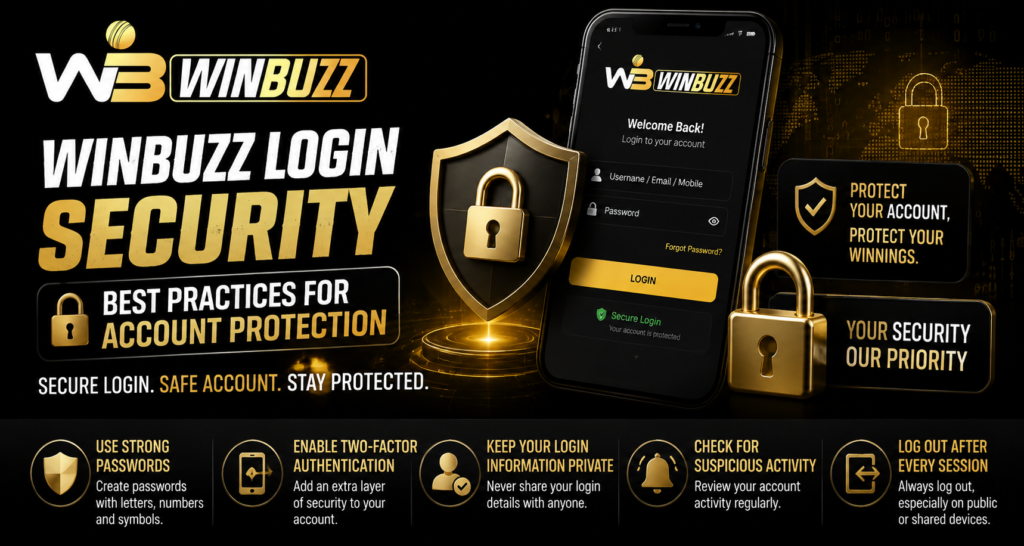
- Using strong passwords
- Logging out from unused sessions
- Avoiding unofficial apps or links
- Keeping verification information private
- Contacting official support for genuine issues
Understanding Live Access Safety
Users following Winbuzz live features should also maintain secure browsing habits during match updates or account activity.
Avoid switching between multiple unknown websites while logged into an account, and do not enter personal information on pages that appear suspicious.
Conclusion
Account security depends on everyday habits. Strong passwords, OTP protection, official login access, updated devices, and careful browsing can significantly reduce common security risks. Winbuzz login protection is not only about recovering an account after a problem occurs but also about preventing issues before they happen. Users should remain cautious, protect their credentials, and follow secure online practices whenever accessing digital platforms.
FAQs
How can I make my account more secure?
Use a strong unique password, protect OTP codes, avoid suspicious links, and keep your device updated.
Should I share my OTP with customer support?
No. OTP codes are private verification details and should not be shared with anyone.
Why should I avoid unknown login links?
Fake links can lead to phishing pages designed to steal usernames and passwords.
Is using a shared device for login safe?
It can create risks. Always log out and avoid saving passwords on public or shared devices.
How often should I change my password?
Changing passwords periodically and whenever you suspect unusual activity is a good security practice.